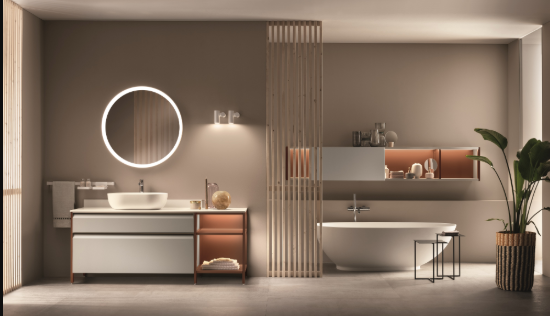
Eco-friendly bathroom design blends durability with efficiency. It favors low-VOC finishes, recycled or sustainably sourced materials, and fixtures designed for longevity and repair. Water- and energy-saving fittings reduce use without compromising comfort. Compact layouts minimize waste, while transparent certifications guide responsible choices. Nature-inspired textures and calm, neutral tones create a serene space with minimal clutter. A restrained, timeless approach invites continued exploration of how wellness and performance align in daily routines. There is more to consider.
What Counts as Eco-Friendly in a Bathroom
In a bathroom, eco-friendliness centers on reducing resource use and minimizing environmental impact. The approach emphasizes durability, efficiency, and mindful sourcing. Materials matter: recycled materials reduce waste, while low VOC finishes protect indoor air quality. Design favors adaptability, repairability, and timeless aesthetics over trend. Freedom arises in choosing products with transparent impact, clear certifications, and constructive, long-term value.
Low-Impact Fixtures and Materials to Choose
Low-impact fixtures and materials prioritize resource efficiency, durability, and transparent sourcing. For minimalist bathrooms, selection hinges on practical durability and low maintenance. The focus stays on thoughtful materials selection, avoiding excess. Eco friendly choices align with timeless design, while water efficient fixtures reduce waste without compromising comfort. Thoughtful choices empower freedom to live lightly, with durable, low impact essentials.
Saving Energy and Water Without Sacrificing Comfort
Saving energy and water in a bathroom can be achieved without sacrificing comfort by combining efficient fixtures with mindful use. The approach favors compact, low-flow fittings and intelligent settings, reducing consumption while preserving experience. Color psychology informs calm, efficient spaces, encouraging restraint. Material sourcing matters: durable, locally produced elements minimize transport. Simplicity, intent, and design discipline sustain performance and freedom.
Wellness-Driven Design: Nature-Inspired and Sustainable Details
Wellness-driven design threads nature-inspired textures, biophilic patterns, and sustainable details into bathroom spaces without compromising function. It emphasizes nature inspired palettes, organic textures, and minimal clutter. Materials favor sustainable materials, low-waste production, and durable finishes. The approach supports wellness driven living, pairing serene aesthetics with efficiency. Simplicity, restraint, and freedom-centric choices guide selections for a calmer, environmentally mindful bathroom environment.
Frequently Asked Questions
How Do I Compare the Lifecycle Costs of Eco Fixtures?
The comparison reveals lifecycle costs by projecting initial price, maintenance, and efficiency of eco fixtures. For retrofit features, evaluate impact on an existing bathroom, noting energy and water savings versus upfront investment, plus durability and resale value.
Can I Retrofit Eco-Friendly Features Into an Existing Bathroom?
In a hypothetical remodel, a family retrofits a tired bathroom with water-saving fixtures and simple, durable components. They explore retrofit options, prioritizing minimal disruption and durable materials, proving sustainability can align with personal freedom and practical living.
Are Green Products Truly Non-Toxic and Safe for Homes?
Green products are not universally non-toxic; certifications vary. Some meet strict green certifications, while others rely on chemical additives. The minimalist, freedom-seeking reader should scrutinize labels and prefer products with transparent ingredients and independent safety testing.
What Trade-Offs Exist Between Price and Sustainability?
Price sustainability tradeoffs exist: upfront costs rise with durable, eco-friendly choices, while longterm savings accrue through efficiency and fewer replacements. The balance favors mindful investments, prioritizing gradual gains, independent decision-making, and freedom from transient trends.
See also:dm-tierce
How Do I Maintain Indoor Air Quality With Sustainable Choices?
Indoor air quality improves through sustainable choices like eco fixtures and non toxic homes, while retrofit features optimize lifecycle costs; price trade offs exist, yet sustainability decisions balance comfort, price, and freedom with eco friendly products in mind.
Conclusion
In a quiet bath, light filters through recycled glass, brushing walls with a calm, neutral glow. Low-VOC finishes breathe softly, while water-saving fixtures kiss the sink and shower with gentle efficiency. Wood and stone, sourced with care, age gracefully, bearing stories rather than waste. Plants drift in the corners, a green chorus for respite. Every detail—compact layouts, durable materials, mindful transport—whispers a vow: comfort without excess, serenity without compromise, a sustainable sanctuary that endures.