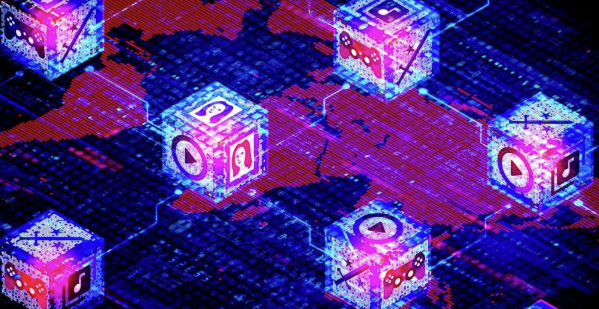
NFTs, or non-fungible tokens, are distinct digital assets that signify ownership of virtual items, facilitated by blockchain technology. Unlike cryptocurrencies, each NFT possesses unique characteristics, making them non-interchangeable. This uniqueness is recorded on a decentralized ledger, ensuring authenticity and security. As creators and collectors engage with NFTs, various industries begin to explore their potential. The implications of this technology on digital ownership raise intriguing questions about the future landscape of creativity and commerce.
What Are NFTs?
Non-fungible tokens (NFTs) represent a significant evolution in the digital asset landscape.
These unique digital assets enable ownership and provenance of virtual collectibles, distinguishing them from traditional cryptocurrencies.
How NFTs Function: The Role of Blockchain
The operation of NFTs is fundamentally anchored in blockchain technology, which serves as a decentralized ledger that records all transactions involving these digital assets.
This technology facilitates digital ownership by ensuring authenticity and provenance, making it possible to prove ownership without intermediaries.
As a result, blockchain technology empowers creators and collectors, fostering an environment where digital assets can be securely traded and valued.
Real-World Uses of NFTs Across Industries
NFTs have found applications across various industries, demonstrating their versatility beyond digital art and collectibles. They facilitate art ownership, enabling creators to authenticate their work.
In gaming, NFTs represent unique assets, while music royalties can be managed transparently. Ticketing solutions utilize NFTs to prevent fraud, and they enhance digital identity.
Additionally, NFTs promote charitable donations and drive fashion innovation through unique virtual items.
See also: Challenges of 5G Deployment
The Future of NFTs: Ownership in the Digital Age
How will the evolution of digital ownership shape the future landscape of NFTs?
As virtual marketplaces expand, NFTs will redefine ownership concepts, granting users unparalleled control over digital assets.
This transformation fosters a new paradigm where creators and consumers engage directly, promoting freedom and innovation.
Ultimately, the future of NFTs lies in their ability to empower individuals in an increasingly digital world.
Conclusion
As the digital realm continues to evolve, NFTs stand as a modern-day Rosetta Stone, unlocking new dimensions of ownership and creativity. By leveraging blockchain technology, these unique tokens redefine how individuals interact with digital assets across various industries. The potential of NFTs transcends mere collectibles, promising a future where digital provenance is as valued as its physical counterpart. In this brave new world, understanding NFTs becomes essential for navigating the complexities of digital ownership and engagement.