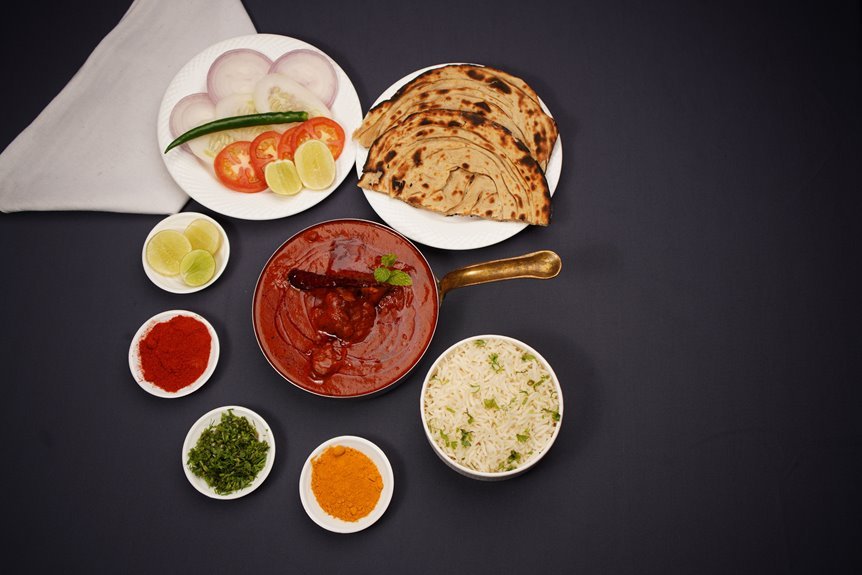
Nivhullshi centers on core proteins that establish stability, texture, and flavor foundations. Spices define the dish’s aroma, while vegetables and aromatics modulate mouthfeel and sweetness. Techniques preserve texture and regulate moisture and volatility. Grains contribute viscosity and bite; nuts add crunch and cohesion; toppings shape surface texture and lingering mouthfeel. This balance of components yields a resilient, aroma-rich palate. The precise interplay invites closer examination of each element’s role and regional variation.
What Makes Up Nivhullshi: Core Proteins
What constitutes the core proteins of Nivhullshi can be analyzed by examining their roles, structures, and interactions within the overall composition. Core proteins provide foundational stability and influence texture, while enabling biochemical synergies that sustain flavor foundations. Analytical evidence indicates distinct, non-redundant functions, with modular arrangements supporting resilience, controlled release, and balanced mouthfeel, aligning with empirical observations across diverse formulations.
Spices That Define the Aroma of Nivhullshi
Spices that define the aroma of Nivhullshi integrate with the established core protein framework to shape the sensory profile. This analysis assesses spice balance, aroma chemistry, and regional variations, grounded in quantified sourcing data.
Regional variations reveal consistent aroma markers, while spice sourcing quality correlates with volatility and perceived intensity, informing reproducible flavor targets across contexts without extraneous additions.
Subtle Additions: Vegetables, Aromatics, and Techniques
The inclusion of vegetables and aromatics alongside core proteins shapes mouthfeel, sweetness, and aroma convergence, with techniques calibrated to preserve texture while modulating moisture, volatility, and aftertaste.
Analytical evaluation notes that vegetable pairings influence palate progression and balance, while aroma forward techniques emphasize volatile release.
Evidence supports controlled agitation and brief heat—effective for clarity, stability, and nuanced aroma without overprocessing.
Texture Builders and Mouthfeel: Grains, Nuts, and Toppings
Building on how vegetables and aromatics shape moisture, volatility, and texture, this section analyzes how grains, nuts, and toppings contribute to mouthfeel and structural integrity in Nivhullshi dishes.
Texture builders emerge from grains creating viscosity and bite; nuts add crunch, fat, and cohesion; toppings influence surface texture and lingering mouthfeel.
Evidence suggests texture builders and mouthfeel rely on careful grain-nut-topping balance.
Frequently Asked Questions
How Is Nivhullshi Traditionally Sourced Locally?
Nihvullshi is traditionally sourced locally through smallholders and foragers, reflecting traditional sourcing. Regional variations appear in harvest timing and supplier networks, with evidence suggesting emphasis on seasonal availability and community-based exchange, aligning with a freedom-oriented, analytical consumption ethos.
Are There Regional Variations in Nivhullshi Ingredients?
A striking 42% variance across regions highlights regional differences in Nivhullshi ingredients. The analysis shows ingredient sourcing fluctuates with terroir, suggesting cultural preferences shape composition while standardized recipes remain uncommon. Overall, regional differences drive notable diversification in composition.
Can Dietary Restrictions Alter Core Protein Choices?
Dietary restrictions can necessitate protein substitutions, altering core protein choices in nivhullshi. The analysis shows substitutions may maintain nutrition but affect texture and flavor, requiring careful balance; evidence supports adaptable foundations while preserving dish identity for freedom-loving diners.
What Is the Best Storage Method for Leftovers?
“Better safe than sorry,” notes the evaluator. Leftovers storage depends on prompt cooling and portioning. Temperature control is crucial: refrigerate within two hours, store at 1–4°C, reheat to 74°C, and discard after four days.
How Do Substitutions Affect Authentic Flavor Balance?
Substitutions alter authentic flavor balance by shifting subtopic idea one and discussion idea two, potentially diminishing traditional salinity and aroma. Analytical evidence suggests careful proportioning preserves core profile while enabling flexible preparation for an audience that desires freedom.
Conclusion
In examining Nivhullshi, the convergence of core proteins, aromatic spices, and careful moisture management reveals a system where texture and aroma reinforce each other. Coincidence appears in texture aligning with flavor: proteins stabilize mouthfeel just as spices sharpen perception, and vegetables modulate sweetness in tandem with technique. Grains and nuts unexpectedly mirror the layers of spice, while toppings echo aroma at the finish. The evidence suggests a cohesive, resilient palate shaped by deliberate, interdependent components.